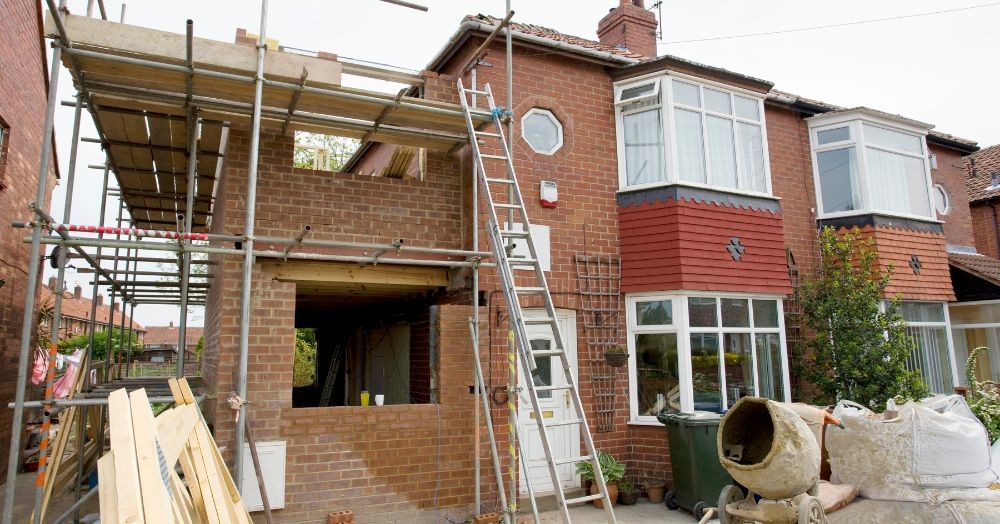
Is it true that adding square footage to your property guarantees increased value?
Is it true that adding more square footage always means more value? Are you guaranteed to increase the value of your home if you invest in an extension? Well, yes, usually. However, the amount you spend on the project needs to be balanced. Yes, a cheap finish will be cost-effective, but you mustn't be so cheap that corners are cut.
Conversely, overspending on the job will clearly have a negative impact on the profit that you might consider for the project. After all, the intention for most of us that extend our homes is to, at the very least, cover the cost of the work with the increased value of the property.
Fundamentally, a well-thought-out, well-designed, and well-finished property extension will undoubtedly increase the value of your property. Added square footage will also increase the value of the property. However, the extension needs to enhance the layout and property. If you whack any old extension up simply to increase the property's size, it could negatively impact the property's value if your home becomes undesirable.
Enhancing the property and increasing its size usually increases its value. The critical question is not just 'Will it increase the value of the property?' but 'Will the increase outweigh the amount spent on the project?' This potential return on investment could inspire your extension and property improvements.
According to research conducted by Nationwide, an extension on an average three-bedroom home could add up to 23% to the value of a property. Of course, the extension has a cost. It is thought that the average extension on a property in the UK (in 2024) ranges between £45000 and £75000.
Based on the average house price in the UK at the moment, which at the start of 2024 was £282,000, a 23% uplift could be anywhere up to £64,860. This significant increase in property value should give you hope that your investment in an extension will pay off. The key is to manage the spending carefully. It is so easy to lose track of the costs as invoices from contractors come pouring in. But by being responsible and in control of your spending, you can ensure the success of your project.
As we budget for development, it's easy to get caught up in the price of the kitchen fittings or the wallpaper and carpet, but with any building work, much of the cost is spent on the parts you can't see. Groundwork, foundations, and steelwork are often the most expensive parts of any build, and these costs come at the beginning of the job. But they are critical, and it won't pay to try and scrimp and cut back on the actual build costs so that you can save money for the expensive floor tiles. Tiles or any other finishing touch can be changed later, but you don't want to rebuild the extension because you've decided to change the make-up of the walls for something of a higher quality.
Extending your property is exciting, and planning the design and end look of the space can be a fantastic experience. Altering your home to suit your needs means you don't need to go through the upheaval of selling the property and moving out. But, while you may believe that this is your 'forever home' and you might not have any intentions of selling up, there is always a chance that you will want to sell someday. Therefore, it's crucial to be cautious and mindful not to overspend on your development so that you still have equity in the home.
If you are weighing up whether to extend your home or move to a new property, why not arrange an appointment with one of our property experts to discuss the current and potential value of the property to help you make a decision?