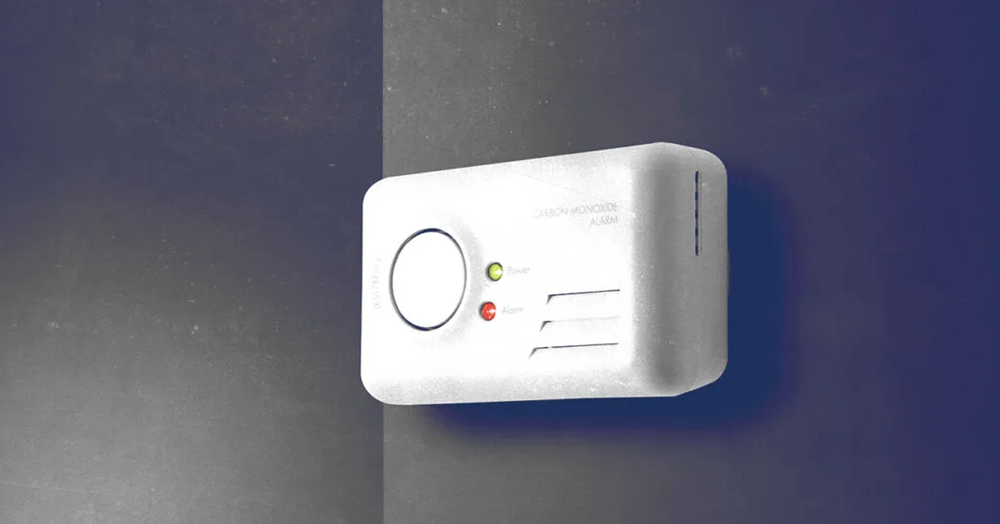
Smoke & Carbon Monoxide Alarm Regulations: What Landlords Need to Know
Landlord safety regulations have evolved in recent years, particularly around smoke and carbon monoxide alarms. With amendments introduced in 2022 and wider housing reforms increasing compliance expectations, it’s important to understand exactly what is required today. Here’s a clear, practical update on where the law stands:
What Changed? - The Smoke and Carbon Monoxide Alarm (Amendment) Regulations 2022 came into force on 1 October 2022, updating the original 2015 regulations.
The key changes strengthened landlords’ responsibilities around the installation and maintenance of alarms in rented properties in England.
Current Legal Requirements
1. Smoke Alarms - You must install at least one smoke alarm on every storey of a rental property where there is a room used as living accommodation.
2. Carbon Monoxide Alarms -
You must install a carbon monoxide alarm in any room used as living accommodation that contains a fixed solid fuel-burning appliance (such as a wood burner or coal fire).
It’s important to note: The requirement does not extend to gas cookers.
However, best practice is increasingly moving toward installing carbon monoxide alarms near gas boilers as an added safety measure.
3. Repair or Replace When Reported - If a tenant reports that an alarm may not be in proper working order, you are legally required to repair or replace it without undue delay.
This is a significant addition. It is no longer sufficient to simply install alarms at the start of a tenancy — ongoing maintenance is now clearly your responsibility.
Testing at the Start of a Tenancy - You must ensure alarms are in proper working order at the start of every new tenancy. This is typically done by testing the alarms on move-in day and recording confirmation.
Enforcement and Penalties - Local authorities have the power to:
- Issue remedial notices
- Arrange works themselves if you fail to comply
- Impose fines of up to £5,000 per breach
With local authority enforcement powers strengthening more broadly, compliance is more important than ever.
Why This Matters More Now - While the 2022 amendments clarified alarm responsibilities, the wider direction of travel in the private rented sector is toward:
- Stronger safety enforcement
- Faster response to hazards
- Greater scrutiny of property condition
As standards tighten under ongoing housing reforms, landlords who are proactive, rather than reactive are far better protected.
Practical Steps for Landlords
To stay compliant and reduce risk:
- Check smoke alarms are fitted on every storey
- Install carbon monoxide alarms where required
- Keep written records of testing
- Respond quickly to tenant reports
- Include alarm checks within routine property inspections
- Small administrative oversights can lead to avoidable penalties.
Need Support Reviewing Your Compliance? If you would like reassurance that your property meets current safety requirements, or if you’re unsure whether your systems are up to date, our lettings team is here to help.
Speak to Perry Bishop today for a clear compliance review and practical advice tailored to your property.
Property made personal. Compliance made simple.